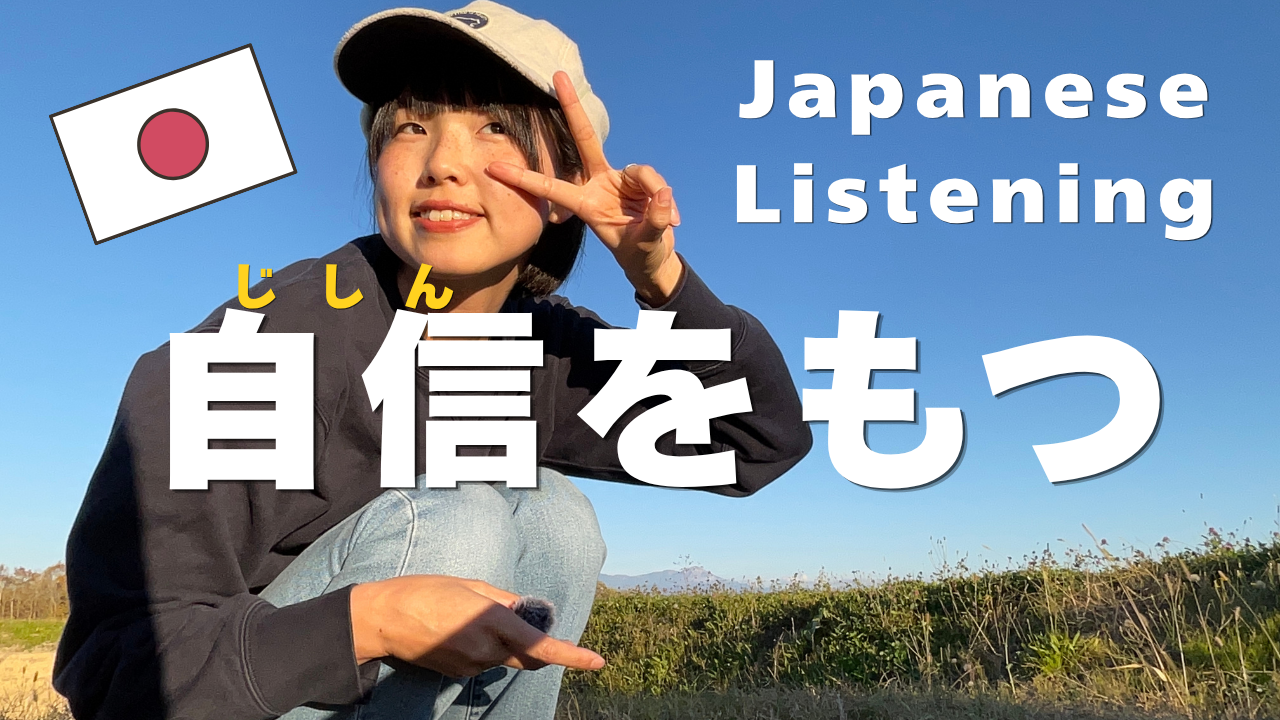
自信って、なんだろう?What Does Confidence Really Mean?
When someone says, ‘Be more confident,’ do you wonder how? I often feel the same way. In this episode, I look closely at the Japanese words 自信, 能力, and 価値, and share how they led me to a gentler way of thinking about myself. This is a personal reflection on making mistakes, accepting yourself, and caring for yourself even on days when confidence feels far away.

What You’ll Learn
Explore the difference between 能力 (ability) and 価値 (worth) through everyday examples, including things we treasure for reasons other than their price or usefulness. Listen for expressions such as 自信を持つ, 自分を大切にする, and 自分を受け入れる. You will also hear how ~からといって introduces something that does not necessarily follow from a situation, and how ~てもいい expresses permission: making a mistake does not mean rejecting yourself, and you can care for yourself even when you do not like everything about yourself.
Transcript
Do you feel confident?
1. 自信がありますか?
Do you feel confident?
みなさん、こんばんは。Late Night Japanese ChatのHaruです。
English: Good evening, everyone. This is Haru from Late Night Japanese Chat.
みなさん、お元気ですか?
English: How are you all doing?
突然ですが、みなさんは、自分に自信がありますか?
English: Let me ask you something. Do you have confidence in yourself?
私は、実はあまりありません。
English: To be honest, I don’t have much confidence in myself.
何か新しいことを始めるとき、「本当に自分にできるのかな」と不安になります。
English: When I start something new, I worry whether I can really do it.
他の人と比べて落ち込んだり、失敗したことをいつまでも考えてしまったりすることも、よくあります。
English: I often feel down comparing myself to others, or keep thinking about mistakes long after they happen.
みなさんにも、そんな経験はありませんか?
English: Have you ever felt that way?
例えば、日本語を話すとき。「間違えたらどうしよう」と思って、言いたいことが言えなかったり。
English: For example, when speaking Japanese, you might worry about making mistakes and hold back.
「もっと上手になってから話そう」と思って、なかなか一歩を踏み出せなかったり。
English: Or you might wait until you get better before daring to speak.
そんなとき、「もっと自信を持って」と言われることがあります。私もよく言われるんですけど、それが難しいんですよね。
English: At times like that, people may tell us to be more confident. I hear that often too, but it isn’t easy, is it?
自信がないから困っているのに、自信を持とうと思うだけで持てるものなのでしょうか。
English: If you lack confidence, can you really gain it just by deciding to?
今も自信があまりない私ですが、最近、「自信を持つ」という言葉について、少し考え方が変わりました。
English: I still don’t have much confidence, but recently my understanding of what it means to have confidence has changed a little.
きっかけは、ある文章を読み返したことでした。
English: It started when I reread something.
実は、1年前にも同じ文章を読んでいたんです。でも、今読み返してみると、以前とは違うところが心に残りました。
English: I had read the same piece a year ago, but this time something different stayed with me.
今日は、自信がない私が、同じように自信がない人に伝えたいことをお話しします。
English: Today, as someone who lacks confidence, I want to share something with others who feel the same.
「自信」「価値」「自分を大切にする」という言葉を、一つずつ考えていきます。
English: We’ll think through the words confidence, value, and caring for yourself, one at a time.
これは、言葉の意味から考えた私自身の解釈です。みなさんとは違うところもあるかもしれません。
English: This is my own interpretation, based on thinking about the meanings of these words. You may see some things differently.
今、自信がなくて苦しいと感じている方に、何か一つでも心に残るものがあったらうれしいです。
English: If you’re struggling with a lack of confidence right now, I hope even one thing I share will stay with you.
What are you believing in?
2. 「自信」は何を信じること?
What are you believing in?
まず、「自信」という日本語を見てみましょう。どんな漢字を書くか、分かりますか?
English: First, let’s look at the Japanese word jishin, confidence. Do you know which kanji it uses?
「自分」の「自」に、「信じる」の「信」と書きます。
English: It is written with the character for self and the character for believe.
漢字を分けて考えると、「自分を信じる」ですね。では、自分の何を信じるのでしょうか。
English: Looking at the two characters, it means believing in yourself. But what exactly are we believing in?
辞書で調べると、「自分の能力や価値などを信じる気持ち」と説明されています。
English: A dictionary describes it as believing in your own abilities and value.
「能力」は、何かをする力のことです。例えば、仕事ができる、日本語が話せる、料理が得意。
English: Ability means the power to do something: working well, speaking Japanese, or cooking.
自分の能力を信じるというのは、「自分にはそれができる」と信じることです。これは、分かりやすいと思います。
English: Believing in your abilities means believing that you can do those things. That part is easy to understand.
でも、もう一つ、「価値」という言葉があります。
English: But there is another word here: value.
私は、この言葉が気になりました。
English: That word caught my attention.
自分の価値を信じる。みなさんは、どんな意味だと思いますか?
English: Believing in your own value. What do you think that means?
What does worth mean?
3. 「価値」って、何だろう?
What does worth mean?
私は以前、「価値」というのは、誰かに評価されて決まるものだと思っていました。
English: I used to think value was something other people decided through their evaluations.
何かができる人、誰かの役に立つ人には価値がある。そんなイメージです。
English: I imagined that being capable or useful was what gave someone value.
「価値」の「価」は、「価格」という言葉にも使いますよね。だから、値段や評価と結びつけて考えていたのかもしれません。
English: The first character in kachi also appears in kakaku, meaning price. Perhaps that is why I associated value with prices and evaluations.
でも、辞書で「価値」を調べると、「どれくらい役に立つか」だけでなく、「どれくらい大切か」という意味もありました。
English: But the dictionary also defines value in terms of how important something is, not only how useful it is.
例えば、みなさんには、大切にしているものがありますか?
English: For example, is there something you treasure?
子どものころから持っているぬいぐるみや、家族からもらった手紙、友達と撮った写真。
English: Maybe a stuffed animal from childhood, a letter from family, or a photo with friends.
ほかの人から見たら、特別なものではないかもしれません。
English: To someone else, it might not look special.
でも、自分にとっては、何にも代えられない大切なものだったりしますよね。
English: But to you, it might be irreplaceable.
それは、値段が高いからでしょうか。何かの役に立つからでしょうか。
English: Is that because it is expensive? Or because it is useful?
きっと、そういう理由だけではありませんよね。
English: Surely that is not the whole reason.
ここで私は、少し考えました。
English: That made me stop and think.
ものに対しては、役に立つかどうかに関係なく、大切だと思えるのに。
English: We can treasure things regardless of whether they are useful.
どうして自分のことになると、「何ができるか」「誰かの役に立っているか」ばかり気にしてしまうんだろう。
English: So why do we focus so much on what we can do or how useful we are when thinking about ourselves?
仕事で失敗したら? 誰にも褒めてもらえなかったら? それだけで、自分の価値はなくなるのでしょうか。
English: If we fail at work or no one praises us, does our value disappear?
私は、そうではないと思います。
English: I don’t think so.
「自分の価値を信じる」というのは、何かができると信じるだけではなく、自分自身を大切な存在だと思うことにもつながるんじゃないかな、と考えるようになりました。
English: I began to think that believing in your own value goes beyond believing you can do things. It may also connect to seeing yourself as someone who matters.
What does caring for yourself look like?
4. 自分を大切にするって?
What does caring for yourself look like?
では、「自分を大切にする」とは、具体的にはどういうことなのでしょうか。
English: So what does it actually mean to care for yourself?
ちょっと、想像してみてください。
English: Imagine something for a moment.
あなたの大切な友達が、何かに失敗して落ち込んでいます。
English: A close friend has made a mistake and is feeling down.
「私って、本当にだめだな」と言っていたら、あなたは何と声をかけますか?
English: If they said, I’m hopeless, what would you say?
「失敗したんだから、あなたには価値がないね」なんて、きっと言いませんよね。
English: You probably wouldn’t tell them they have no value because they failed.
「失敗することもあるよ」「そんなに自分を責めないで」と言うかもしれません。
English: You might say, Everyone makes mistakes, or Don’t be so hard on yourself.
でも、自分には同じ言葉をかけられないことがありませんか?
English: But do you ever find it difficult to say those same kind words to yourself?
私は、本当によくあります。「何をやっているんだろう」「自分はだめだな」と落ち込んでしまいます。
English: That happens to me very often. I feel down and think, “What am I doing?” or “I’m hopeless.”
自分に「価値がない」とまでは言わなくても、友達にかけるような言葉を、自分にはかけていないんですよね。
English: Even if I don’t go as far as telling myself I have no value, I don’t offer myself the words I would say to a friend.
友達には優しくできるのに、自分には厳しくなってしまうんです。みなさんは、どうですか?
English: I can be kind to my friends, but I’m hard on myself. How about you?
もし、私と同じように感じる方がいたら、大切な友達に接するように、自分にも接してみませんか。
English: If you feel the same way, why not try treating yourself the way you treat a dear friend?
私は、それが「自分を大切にする」ということの一つなんだと思いました。
English: I realized that this is one way of caring for yourself.
頭では分かっていたつもりでも、自分の行動を振り返ると、あまりできていなかったんです。
English: I thought I understood it, but when I looked back at my own actions, I realized I hadn’t really been doing it.
そして、自分を大切にすることを考えるうちに、「自分を受け入れる」という言葉にもつながっていきました。
English: As I thought about caring for myself, it also led me to the idea of accepting myself.
Accepting yourself as you are
5. 「受け入れる」ということ
Accepting yourself as you are
自分を受け入れる。これは、自分のいいところだけを見ることではないと思います。
English: I don’t think accepting yourself means looking only at your good points.
失敗する自分も、落ち込む自分も、「これが今の自分なんだ」と認めることです。
English: It means acknowledging yourself as you are now, including the part of you that fails or feels down.
もちろん、間違えたら反省してもいいし、変わりたいと思ったら変わろうとしてもいい。
English: Of course, you can reflect on mistakes and try to change.
でも、失敗したからといって、自分自身を全部否定する必要はないんじゃないでしょうか。
English: But does making a mistake really mean we need to reject ourselves entirely?
「自分を好きになる」と「自分を大切にする」は、少し違うのかもしれません。
English: Maybe liking yourself and treating yourself with care are slightly different.
みなさんは、自分のことを好きになれない日がありますか? 私はあります。
English: Do you ever have days when you don’t like yourself? I do.
「こういうところが嫌だな」「ここは直したいな」と思うことも、たくさんあります。
English: There are plenty of things about myself that I don’t like or would like to change.
でも、全部を直して、いつでも自分を好きでいられるようになるのを待っていたら、いつになるか分かりません。
English: But if I wait until I’ve fixed everything and can always like myself, I don’t know when that day will come.
そんな日でも、自分を大切にしていいんです。
English: Even on those days, we can still care for ourselves.
「今の自分には、こんなところもある」と受け入れながら、変わりたいところは少しずつ変えていけばいいのかなと思います。
English: I think we can accept these parts of ourselves as they are now, while gradually changing the things we want to change.
そう考えるようになってから、私には「自信」という言葉が、少し違って見えるようになりました。
English: Since I began thinking this way, the word confidence has started to look a little different to me.
それまでは、自分を信じるというのは、自分の能力を信じることだと思っていました。
English: Until then, I had thought that believing in myself meant believing in my abilities.
でも、自信は、いつも「私ならできる」と信じることだけではないんだなと思いました。
English: But I realized that confidence isn’t only about always believing, “I can do it.”
自分の価値を信じて、自分を受け入れること。私は、そこに大切な意味があると思っています。
English: Believing in your worth and accepting yourself: I think that is a vital part of confidence.
A year ago and now
6. 1年前の私と、今の私
A year ago and now
少しだけ、私自身の話をさせてください。
English: Let me share a little of my own story.
1年前の私は、真っ暗な道を歩いているような気持ちでした。
English: A year ago, I felt as though I were walking along a completely dark road.
どこへ向かっているのか、何ができるのか、よくわからなかったんです。
English: I didn’t really know where I was going or what I could do.
それでも、とりあえずやってみようと思って、いろいろなことに挑戦しました。
English: Even so, I decided to try things and took on different challenges.
失敗もしたし、思うようにいかなくて落ち込む日もありました。
English: I failed at things and had days when I felt discouraged.
でも、ときどき、自分が作ったものを誰かが喜んでくれたり、考えを受け入れてくれたりしました。
English: But sometimes someone enjoyed something I made or welcomed an idea I shared.
そういう経験が、私にはとても大きかったんです。
English: Those experiences meant a great deal to me.
自分一人では気づかなかった自分のよさを、誰かが教えてくれることがあります。
English: Sometimes other people help us see good things about ourselves that we cannot see alone.
誰かに受け入れてもらうことが、自分を受け入れる力になる。
English: Being accepted by someone can help us accept ourselves.
私は、この1年で、それを感じるようになりました。
English: That is something I have come to feel over this past year.
1年前は真っ暗だった道も、今は小さなろうそくを手に入れたような気がします。
English: The road was dark a year ago, but now it feels as though I have found a small candle.
まだ遠くまでは見えません。でも、足元は少し見えるようになりました。
English: I still cannot see far ahead, but I can see a little of the ground beneath my feet.
そして、ときには、その明かりが誰かの道も照らしているのかもしれません。
English: And sometimes, perhaps that light helps illuminate someone else’s path too.
ただ、誰かに認めてもらえたから、初めて私に価値が生まれたわけではありません。
English: But that does not mean I only gained value when someone recognized me.
もともとあった自分の価値に、少しずつ気づけるようになったんだと思います。
English: I think I have slowly begun to notice the worth that was already there.
What I want to share when confidence is hard
7. 自信がない私が伝えたいこと
What I want to share when confidence is hard
ここまで、「自信」から始まって、「価値」「大切にする」「受け入れる」と、言葉をたどってきました。
English: We started with confidence and followed the words value, care, and acceptance.
辞書の言葉が、全部同じ意味だということではありません。
English: These words do not all mean exactly the same thing.
でも、一つずつ考えてみると、私の中で、少しずつつながっていったんです。
English: But thinking through them one by one helped me see how they connect.
自信を持つというのは、何でもできる自分になることではない。
English: Having confidence is not about becoming someone who can do everything.
自分を大切な存在だと思って、できない自分も受け入れること。
English: It is about recognizing that you matter and accepting yourself even when you cannot do something.
私は、そこに自信の本質があると思います。
English: I believe that is at the heart of confidence.
と言っている私も、まだ自分に自信がありません。
English: And yet, even as I say this, I still struggle with confidence.
だから、「もっと自信を持って!」とは、簡単に言えないんですよね。
English: That is why I cannot simply tell you to be more confident.
でも、自分を大切にすることなら、少しずつ始められるかもしれません。
English: But perhaps we can begin, little by little, by caring for ourselves.
疲れたら休む。失敗したら、自分を責めすぎない。
English: Rest when you are tired. Don’t blame yourself too much when you make a mistake.
人と比べてしまったら、自分にも自分のペースがあると思い出す。
English: When you compare yourself with others, remember that you have your own pace.
それは、何かをあきらめることとは違います。
English: That does not mean giving up.
自分を大切にしながら、挑戦を続けてもいいんです。
English: You can keep trying new things while treating yourself with care.
A good-night message for Japanese learners
8. 今夜はこのへんで
A good-night message for Japanese learners
日本語を勉強しているみなさんも、間違えるのが怖くなることがあるかもしれません。
English: Those of you learning Japanese may sometimes be afraid of making mistakes.
でも、間違える自分を、どうか嫌いにならないでください。
English: But please don’t hate yourself for making them.
上手に話せる日も、言葉が出てこない日も、あなたはあなたです。
English: Whether you speak well or cannot find the words, you are still you.
今日も日本語を聞いている自分に、「よくやってるね」と言ってあげてもいいと思います。
English: Maybe you can tell yourself, You’re doing well, just for listening to Japanese today.
私も、まだ練習中です。自分を大切にすることを、少しずつ覚えていきたいと思います。
English: I am still practicing too. I want to keep learning to treat myself with care.
みなさんにとって、「自信を持つ」とはどういうことでしょうか。
English: What does having confidence mean to you?
よかったら、コメントでみなさんの考えも教えてください。
English: If you like, please share your thoughts in the comments.
今日も最後まで聞いてくださって、ありがとうございました。
English: Thank you so much for listening until the end.
それでは、今夜はこのへんで。また次回お会いしましょう。おやすみなさい。
English: That is all for tonight. See you next time. Good night.
Vocabulary
Each word includes the original line from the transcript and one extra example. Use “See in transcript” to jump back to the conversation.
自信confidence; belief in yourself or your abilities
FROM THE TRANSCRIPT
突然ですが、みなさんは、自分に自信がありますか?
EXAMPLE
何度も練習したので、明日の発表には少し自信があります。
I have practiced many times, so I feel a little confident about tomorrow’s presentation.
能力ability; the capacity to do something
FROM THE TRANSCRIPT
「能力」は、何かをする力のことです。例えば、仕事ができる、日本語が話せる、料理が得意。
EXAMPLE
この仕事では、相手の話をよく聞く能力が求められます。
This job requires the ability to listen carefully to others.
価値value; worth; importance
FROM THE TRANSCRIPT
私は以前、「価値」というのは、誰かに評価されて決まるものだと思っていました。
EXAMPLE
この古い時計には、値段では表せない価値があります。
This old watch has a value that cannot be expressed in money.
大切にするto value; to treasure; to treat with care
FROM THE TRANSCRIPT
私は、それが「自分を大切にする」ということの一つなんだと思いました。
EXAMPLE
祖母から教わった料理の作り方を、今も大切にしています。
I still treasure the recipes my grandmother taught me.
受け入れるto accept; to welcome
FROM THE TRANSCRIPT
自分を受け入れる。これは、自分のいいところだけを見ることではないと思います。
EXAMPLE
みんなの意見を聞いて、新しい提案を受け入れることにしました。
After listening to everyone’s opinions, we decided to accept the new proposal.
Cultural Notes
Looking at 自信 through its kanji. 自信 combines 自, as in 自分 (oneself), and 信, as in 信じる (to believe). In this episode, I use that connection as a starting point for asking what it means to believe in myself. The connections I make with worth and self-acceptance are my personal interpretation, not a claim that all these words have the same definition.
Caring for yourself is not the same as liking everything about yourself. 好きになる means coming to like someone or something, while 大切にする focuses on valuing or treating them with care. Here, I apply that distinction to myself: I can want to change something about myself while still treating myself kindly. This is the perspective of this episode, rather than a rule about how everyone in Japan thinks.
Haru’s Note
I still do not feel confident all the time. But I am beginning to think that confidence does not have to mean believing I can do everything. Even when I make mistakes or cannot like myself, I want to remember that I still matter. I am practicing speaking to myself with the same care I would offer a dear friend.
私は今も、いつも自信があるわけではありません。でも、何でもできると信じることだけが、自信ではないのかなと思うようになりました。失敗した日も、自分を好きになれない日も、自分は大切な存在だと覚えていたいです。大切な友達に話すように、自分にも言葉をかける練習をしています。

コメント